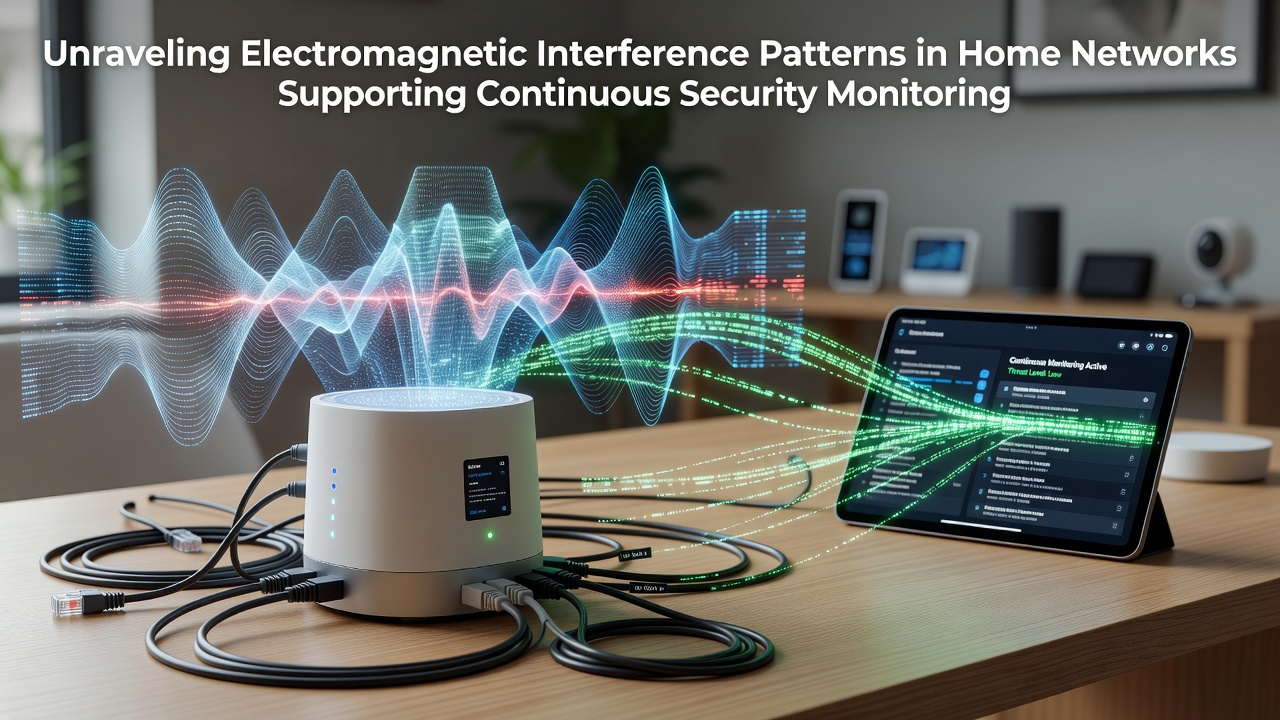
Unraveling Electromagnetic Interference Patterns in Home Networks Supporting Continuous Security Monitoring
Electromagnetic interference disrupts wireless signals in home networks that run continuous security monitoring systems, and researchers have mapped these patterns across multiple device configurations since the expansion of smart home setups in the mid-2020s. Data from field measurements indicate that common household appliances generate radio frequency emissions that overlap with the 2.4 GHz and 5 GHz bands used by Wi-Fi routers connected to cameras, motion sensors, and alarm hubs.
Studies conducted by engineering teams reveal that microwave ovens produce broadband noise spikes lasting several seconds during operation, which can cause packet loss rates exceeding 30 percent in nearby wireless nodes. Cordless phones, older baby monitors, and certain LED lighting drivers add narrowband interference that persists for hours, while power line communications from solar inverters introduce conducted emissions along electrical wiring that couple into Ethernet-over-power adapters.
Identifying Common Sources and Their Frequency Signatures
Observers note that interference patterns vary by time of day because usage cycles of appliances align with peak activity periods in residential environments. Morning routines activate coffee makers and hair dryers near security control panels, whereas evening hours bring increased router traffic from streaming devices that compete for spectrum with security video streams. Research published through the Institute of Electrical and Electronics Engineers shows distinct spectral signatures for each source, allowing technicians to correlate signal drops with appliance logs rather than attributing every outage to network congestion.
Continuous security monitoring systems rely on low-latency connections to maintain real-time alerts, yet interference can trigger delayed notifications or false positives when sensor data packets arrive corrupted. In June 2026 regulatory updates from the Federal Communications Commission highlighted expanded testing protocols for consumer devices operating in unlicensed bands, encouraging manufacturers to incorporate adaptive channel selection that automatically shifts frequencies when interference thresholds are exceeded.
Effects on Network Stability and Monitoring Reliability
Network analyzers deployed in test homes demonstrate that electromagnetic interference reduces throughput on security camera feeds by fragmenting video frames, which forces compression algorithms to lower resolution and increases storage demands on local network video recorders. Multi-device clusters experience cascading effects when one affected node retransmits lost packets, consuming bandwidth that other sensors require for heartbeat signals. Those who have examined residential installations find that mesh Wi-Fi systems mitigate some disruptions through redundant paths, although physical placement of nodes still determines overall resilience against localized interference sources.
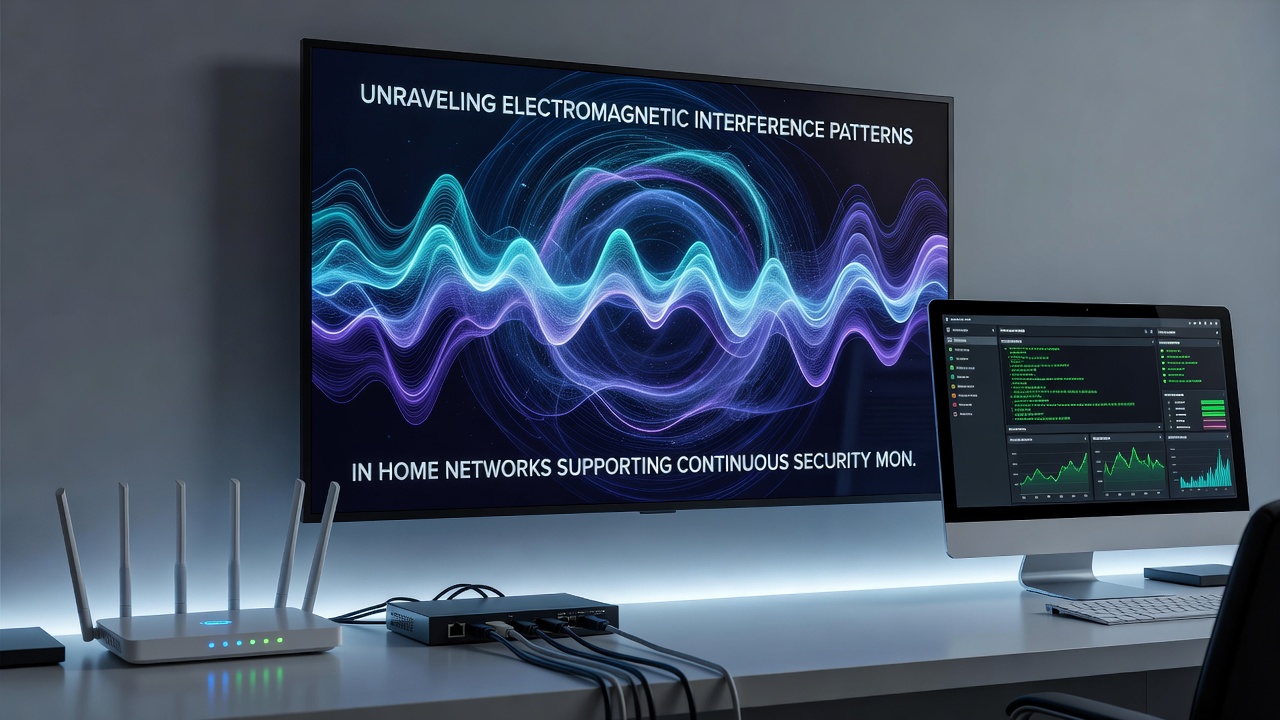
Shielding techniques such as ferrite cores on cables and strategic positioning of access points away from high-emission appliances have proven effective in controlled trials. European Telecommunications Standards Institute guidelines recommend minimum separation distances between wireless security devices and potential interferers, while also advocating for the use of 6 GHz band equipment where available to avoid crowded lower frequencies. Data collected across urban and suburban sites indicate that homes with thick concrete walls experience different propagation characteristics than open-plan layouts, altering how interference travels between rooms.
Detection Methods and Mitigation Approaches
Technicians unravel these patterns through spectrum analyzers that log signal strength over extended periods, then cross-reference the logs with appliance operating schedules to isolate culprits. Software tools integrated into modern routers provide channel utilization reports that flag persistent noise floors above acceptable limits for security applications. Experts have observed that firmware updates enabling dynamic frequency selection and transmit power adjustments often restore stable connections without hardware changes, although older security cameras lacking these features require physical relocation or wired alternatives.
Power conditioning devices filter conducted interference along electrical lines, and researchers continue to evaluate the long-term performance of shielded Ethernet cables in environments with variable voltage conditions. Industry reports from the Australian Communications and Media Authority note rising adoption of these measures in homes equipped with multiple always-on monitoring systems, correlating reduced service calls with proactive spectrum management.
Conclusion
Patterns of electromagnetic interference in home networks remain a measurable factor in the reliability of continuous security monitoring, and ongoing technical assessments provide clear pathways for identification and reduction. As device density increases, systematic mapping of frequency usage combined with established mitigation practices supports consistent performance across diverse residential configurations.